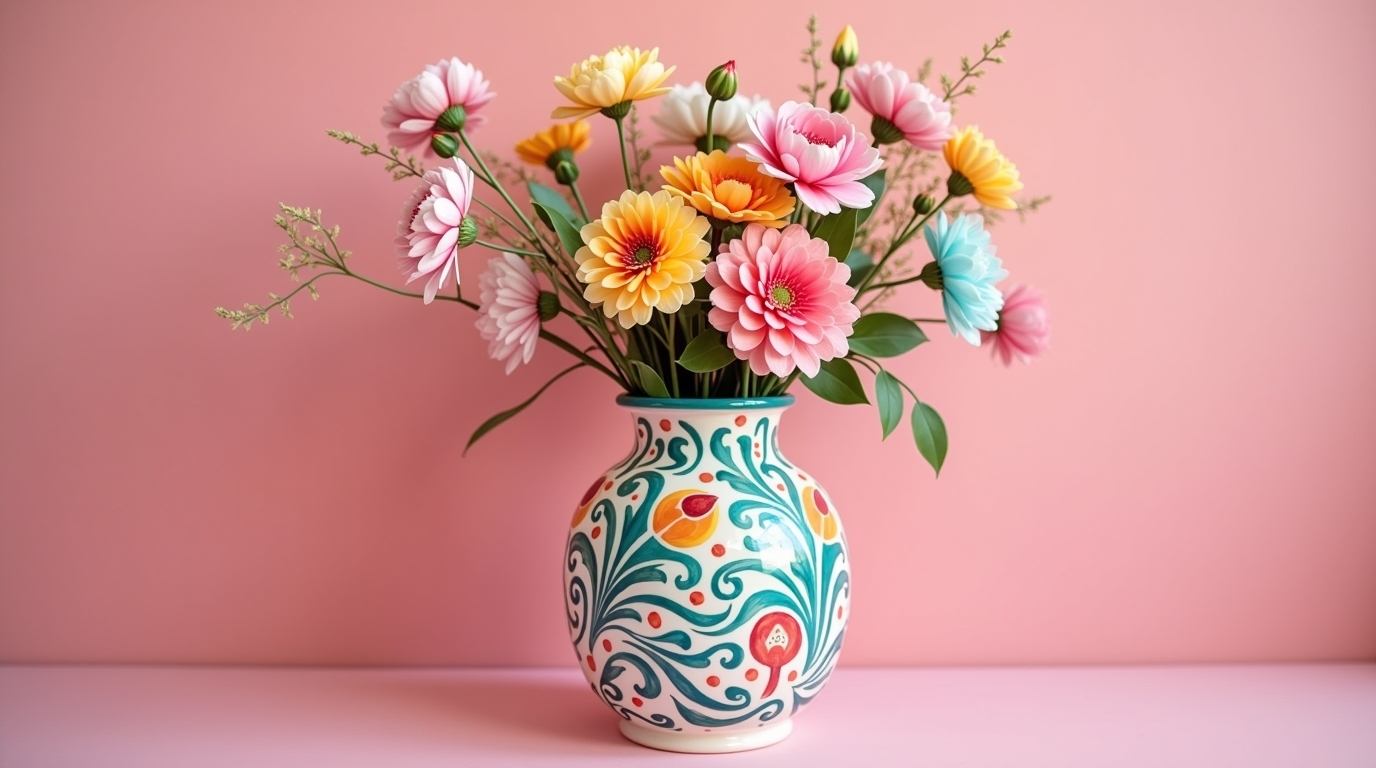
Nordic Easter Traditions

A Spring Celebration of Light, Food, and Family

Across Scandinavia, Easter is not just a holiday—it is a turning point.

After months of long nights and quiet landscapes, the return of light is deeply felt. The days stretch longer, the air softens, and the first signs of spring begin to appear. Easter arrives right at that threshold—where winter loosens its hold and something new begins.

Homes brighten. Tables fill. Windows open.
And, as always, everything centers around gathering and food.

The Meaning of Easter in the Nordic World

In Sweden, Easter is called Påsk—a celebration that blends Christian tradition with older seasonal rituals tied to light, renewal, and the changing of the natural world.

While religious observance remains important for many, Easter in the Nordic countries is equally about:

  • welcoming spring
  • reconnecting with family
  • preparing the home and table for a new season

After the stillness of winter, Easter feels like movement again.

A Season That Shows Up in the Home

One of the most recognizable Nordic Easter traditions is the decoration of birch branches with colorful feathers.

These branches—often placed in vases throughout the home—symbolize:

  • new growth
  • returning life
  • the lightness of spring

The colors are soft but joyful—yellows, greens, pale pinks—echoing the natural world just beginning to wake up again.

Fresh flowers are everywhere:

  • tulips
  • daffodils
  • early greenery

The home itself becomes a reflection of the season—simple, natural, and alive.


A Playful Tradition: Påskkärringar

For children, Easter carries a bit of magic.

In Sweden, many dress as Påskkärringar—“Easter witches”—a charming and slightly mischievous folk tradition. Children wear scarves, painted freckles, and carry small baskets as they go door to door exchanging drawings or cards for candy.

It’s a tradition rooted in old folklore, but today it feels:

  • playful
  • creative
  • community-centered

A reminder that Easter is also about joy.

The Nordic Easter Table

At the center of everything is the table.

Nordic Easter meals are not about heaviness—they are about balance, freshness, and simplicity. After a winter of preserved foods and rich dishes, Easter cooking shifts toward:

  • brightness
  • herbs
  • lightness
  • seasonal ingredients

Traditional Nordic Easter Foods

  • Smoked or cured salmon
  • Eggs in many forms (boiled, deviled, salads)
  • Pickled vegetables
  • New potatoes with dill
  • Breads and pastries, often flavored with cardamom

These dishes come together in a way that feels both abundant and restrained—never overwhelming, always intentional.

The Role of Smörgås

At many Nordic tables, Easter is experienced through a version of smörgås—a style of eating centered on bread, toppings, and layered bites.

Open-faced sandwiches, small plates, and shared dishes create a rhythm:

  • take a little
  • build a bite
  • return for more

It’s a way of eating that naturally encourages:

  • conversation
  • lingering
  • connection

The table is not rushed.
It’s something you move through slowly.

Light, Fresh, and Seasonal

What makes Nordic Easter food distinct is how closely it mirrors the environment.

After winter, the body—and the table—craves:

  • fresh herbs like dill and chives
  • citrus for brightness
  • light dairy like crème fraîche
  • clean flavors from seafood and vegetables

There is a clarity to the food.
Nothing feels too heavy. Everything feels like a beginning.

Swede Dish: A Modern Interpretation

At Swede Dish, Easter becomes a blend of tradition and modern seasonal cooking.

The same core elements remain:

  • gathering
  • balance
  • seasonal ingredients

But the expression evolves.

You might see:

  • herby smoked salmon crepes
  • lemon-dill salads with spring vegetables
  • garden platters with lamb or seafood
  • bright, citrus-forward desserts
  • bread-based dishes that anchor the table

It is still Nordic in spirit—
just interpreted through a contemporary, flexible lens.

A Living Table

Easter in the Nordic world is not about perfection.

It’s about:

  • opening the windows
  • setting the table
  • letting the light in
  • sharing food that feels alive again

Some years it’s a full feast.
Other years, a simple brunch with good bread, eggs, and herbs.

Both are enough.

The Heart of It All

While traditions vary across Sweden, Norway, Denmark, and Finland, the essence of Easter remains the same:

Gathering around the table, celebrating the return of warmth, welcoming light, honoring new life.

Swede Dish Reflection

Easter reminds us that food is not just nourishment—it is transition.

From winter to spring.
From stillness to movement.
From quiet to connection.
Gather with intention.

Eat beautifully.

Make it yours.

A New Dawn: Learning to Run (and Walk) Again

Starting any kind of exercise routine can feel daunting. Life gets busy, family comes first, and sometimes our bodies remind us that we can’t push the way we once did. For me, that reality hit hard.

I spent most of my life defining myself as an athlete. I ran track and cross country, threw myself into field events, played soccer, swam, and ultimately fell in love with field hockey. Sports weren’t just something I did — they were who I was. Gym class was my playground, competition my motivator.

But after two kids, years of high-impact wear on my knees, and two long years of physical therapy, I had to make a decision I never thought I would: I ended my competitive career in field hockey. It felt like I was closing the door on the athlete version of me — a version I’d known my entire life.

For years, I wrestled with that loss. I dabbled in golf and pickleball, fun but never quite “me.” Every attempt to get back to my old sports left me frustrated. I compared every step, every sprint, every swing to the younger version of myself who could push harder, run faster, go longer. And the more I compared, the more impossible it felt.

Would I ever be an athlete again?

The truth is, after five years of trying to match my old peak performance, I finally gave myself permission to let go. To stop chasing her — that younger, awesome, competitive version of me in her heyday. She was incredible, and she’ll always be part of my story. But she isn’t me now.

Today, I need to be the athlete who fits my life now.

– Abby @ Swede Dish

So I cut myself a break. I started walking. Sometimes I run, sometimes I don’t. And for the first time, that feels enough.

I walk in the rain, in the cold, in the sunshine. I walk after dropping the kids off. I walk and run for reasons that have nothing to do with personal bests or championship titles:

  • 🌱 To be outside.
  • 💛 To be happy.
  • 🌅 To enjoy a sunrise.
  • 🕰 To keep an appointment with myself.
  • 👩‍👧‍👦 To be strong and healthy for my family.

Life is different now, and so is my relationship with sports. Walking and running aren’t about reclaiming my old self. They’re about meeting my new self — the one who shows up, who enjoys the journey, who moves not out of competition but out of love for the simple act of moving.

And maybe that’s the best lesson sports could have ever taught me: to keep showing up, even when the game changes.

Lagom Living: The Art of “Just Right”

What is Lagom?
In Sweden, lagom is more than a word—it’s a lifestyle. Loosely translating to “just the right amount,” lagom is the art of balance, moderation, and mindful enjoyment in everything from the food on your plate to the pace of your day. It’s not about restriction, nor about indulgence—it’s about living in the sweet spot where life feels steady, sustainable, and deeply satisfying.

Bring Scandinavian Balance Into Everyday Life

Just the right amount—for joy, health, and harmony.

At Swede Dish, we believe life tastes best when it’s balanced. Rooted in the Swedish philosophy of lagom, our approach to food, wellness, and lifestyle blends nourishment with delight—without excess or deprivation.

Lagom in the Kitchen

Cooking the lagom way means creating seasonal recipes that are as nourishing as they are flavorful. It’s making the most of what’s fresh, leaning on whole ingredients, and letting natural flavors shine—so you leave the table satisfied, never stuffed.

Lagom in Movement

Movement should be natural, energizing, and fit seamlessly into your real life. It’s about choosing activities—whether it’s a quick row, a walk in the woods, or playful time with the kids—that keep your body moving and your mind refreshed.

Lagom at Home

A lagom home is a calm, functional, and beautiful space where every item serves a purpose and every corner invites you to breathe. It’s about curating—not cluttering—and designing rooms that welcome joy without overwhelming the senses.

A modern interpretation of vibrant kurbits floral design, a traditional Swedish folk art, on a bright and cheery ceramic vase, symbolizing abundance and growth, and the national symbol of Swedish culture and craftsmanship.

Why Lagom Matters

Lagom living is the middle ground where tradition meets modern life, wellness feels natural, and joy has space to grow. It’s not about doing everything—it’s about doing just enough to feel whole, healthy, and happy.

So pour yourself a warm cup of tea, set the table for a meal that feels good, and remember: life, like food, is best served lagom.